Friday, February 26, 2021

Safe and Secure Restroom Access Helps Muni Run On Time

Safe and Secure Restroom Access Helps Muni Run On Time
By Adrienne Heim

For those working in the field and delivering transit service, restroom access is not as easy as you may think. Bathroom breaks are a human necessity and require advanced planning for our thousands of transit operators. This is particularly true during the pandemic, as the shelter in place guidelines closed many restaurants and offices that were previously available to our transit staff.
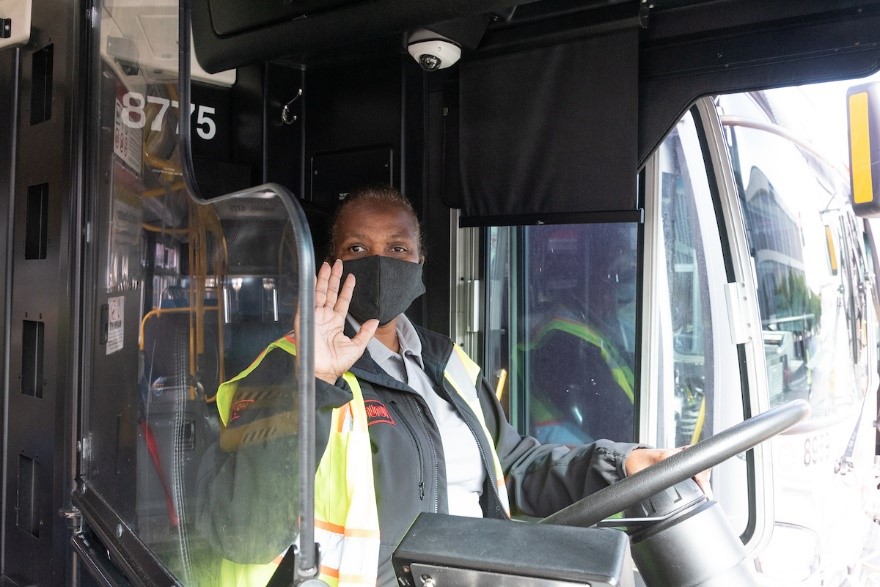
Photo of muni operator behind the wheel, wearing a mask

Muni operators provide essential transit service in San Francisco

As the city looks forward to reopening, the SFMTA wants to ensure that all San Franciscans will be able get around the city safely and quickly. This means continuing to invest in maintaining the infrastructure that makes it possible for transit operations to be carried out. And that includes ensuring our Muni bus operators have safe and secure restroom access at the beginning and end of their routes.

Seven years ago, SFMTA’s Operator Restroom Taskforce was formed with a single mission – to overcome obstacles and provide safe, clean and reliable restroom access for staff working in the field throughout the city. And that is exactly what the team members represented by nearly every agency division, including members of Transport Workers Union Local 250A have been doing.

Since 2012, the group has been successful in delivering additional access at key locations, bringing the total number of available restrooms location to 151. This includes securing licenses and free restroom agreements with businesses, buildings, and organizations, portable units and permanent SFMTA dedicated operator restroom facilities.

Completing A Refresh of Older Operator Restrooms 

Between 1990 and 2005, 17 standalone restrooms were constructed to kickstart supporting operators out in the field. 
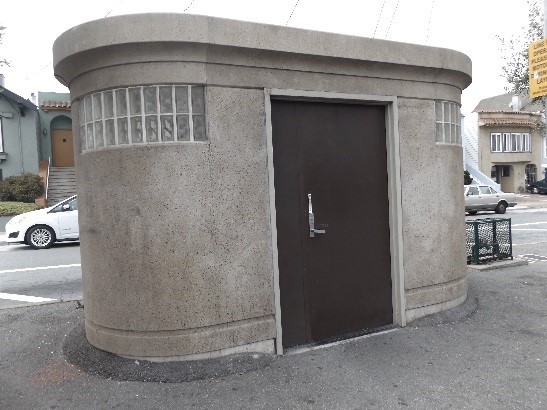
Geneva Avenue and Munich Street Operator Restroom built in 1990

Geneva Avenue and Munich Street Operator Restroom built in 1990

Throughout 2020, the Operator Restroom Taskforce sought out additional restroom facilities to compensate for those that had been closed. They also procured and located portable restrooms. Additionally, the group’s maintenance team members began updating 21 restroom facilities, which include the first set of operator restrooms that were built, as well as more recently-built facilities.

This refresh consisted primarily of replacing worn or rusted electrical conduit and plumbing fixtures. Repairing or replacing the Instahot Instant Water Heater was also a top priority because handwashing is essential to safety and hygiene. Paper towel dispensers are also being replaced with electric hand dryers in all of our operator restrooms.
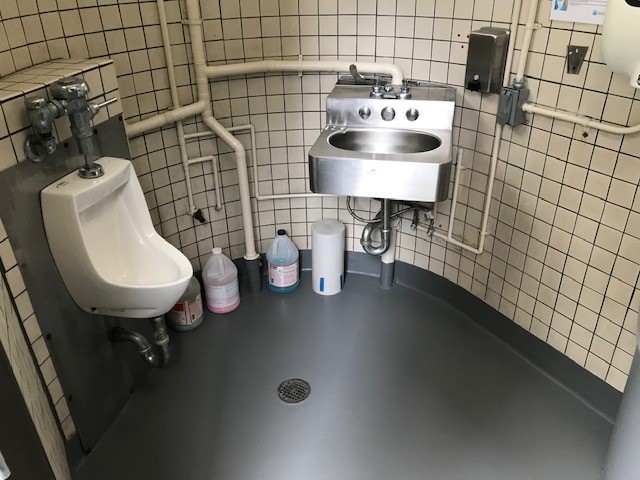
Main and Mission Restroom Refresh October 2020
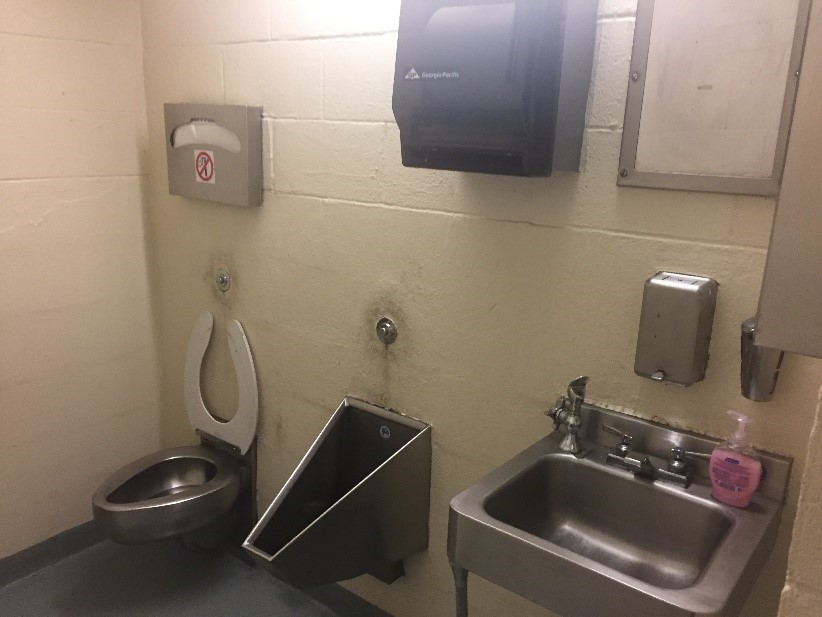
Main and Mission Restroom Refresh October 2020

Powell Station Staff Restroom Refresh August 2020

Powell Station Staff Restroom Refresh August 2020

The team also built a restroom trailer to support the 30 Stockton bus route to Crissy Field.
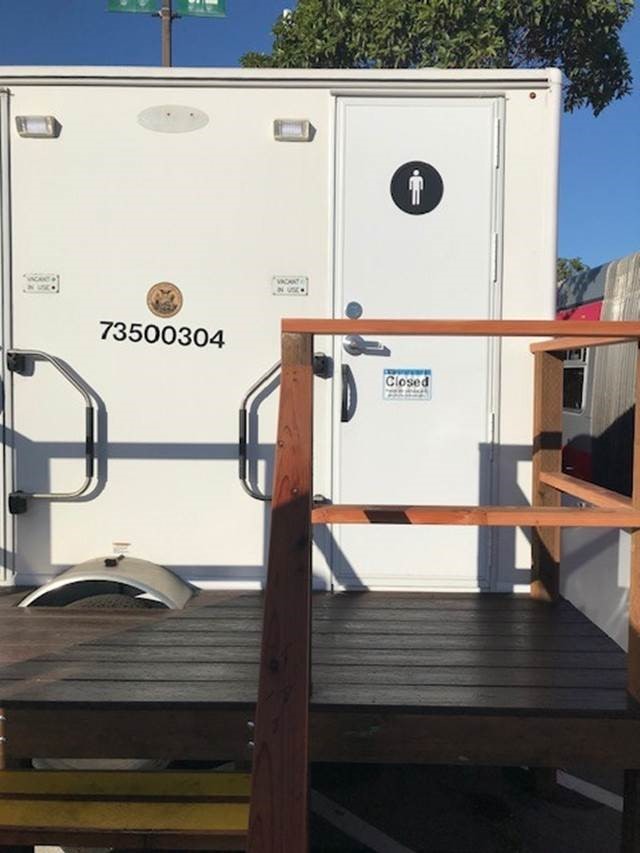
Restroom Trailer at the Sports Basement-Crissy Field

Restroom Trailer at the Sports Basement-Crissy Field

By providing reliable restroom access, the SFMTA is working to meet the health and safety needs of our transit operators and other agency field staff, an often-overlooked aspect of improving Muni’s reliability.

Learn more about the project and subscribe to project updates by visiting SFMTA.com/OperatorRestrooms


Published February 26, 2021 at 11:32PM
https://ift.tt/2ZS4yht

Wednesday, February 24, 2021

Gene Henderson: Honoring Muni’s First Black Division Manager

Gene Henderson: Honoring Muni’s First Black Division Manager
By Jeremy Menzies

In recognition of Black History Month, we bring you the story of Gene Henderson, the first Black man to become the head of a Muni bus division, Muni’s Kirkland Division.

Henderson’s Background

Gene Henderson was born in Houston, Texas, in 1916. He married his wife Naomi in 1939 and then served in the U.S. Army during World War II. Following the war, Gene and his family moved to San Francisco where he began his career at the San Francisco Municipal Railway.

Early Career

On February 1, 1946, Henderson was hired as a streetcar motorman out of Sutro Division, which was located on the corner of 32nd Ave. and Clement St. He was hired just five years after Muni’s first Black transit operator, Audley Cole, had successfully fought to integrate the carmen’s union in 1941. In his early days at Muni, Gene worked one of the three lines running out of Sutro Division from the Ferry Building to the Richmond District on Sutter Street.

Gene Henderson in 1951

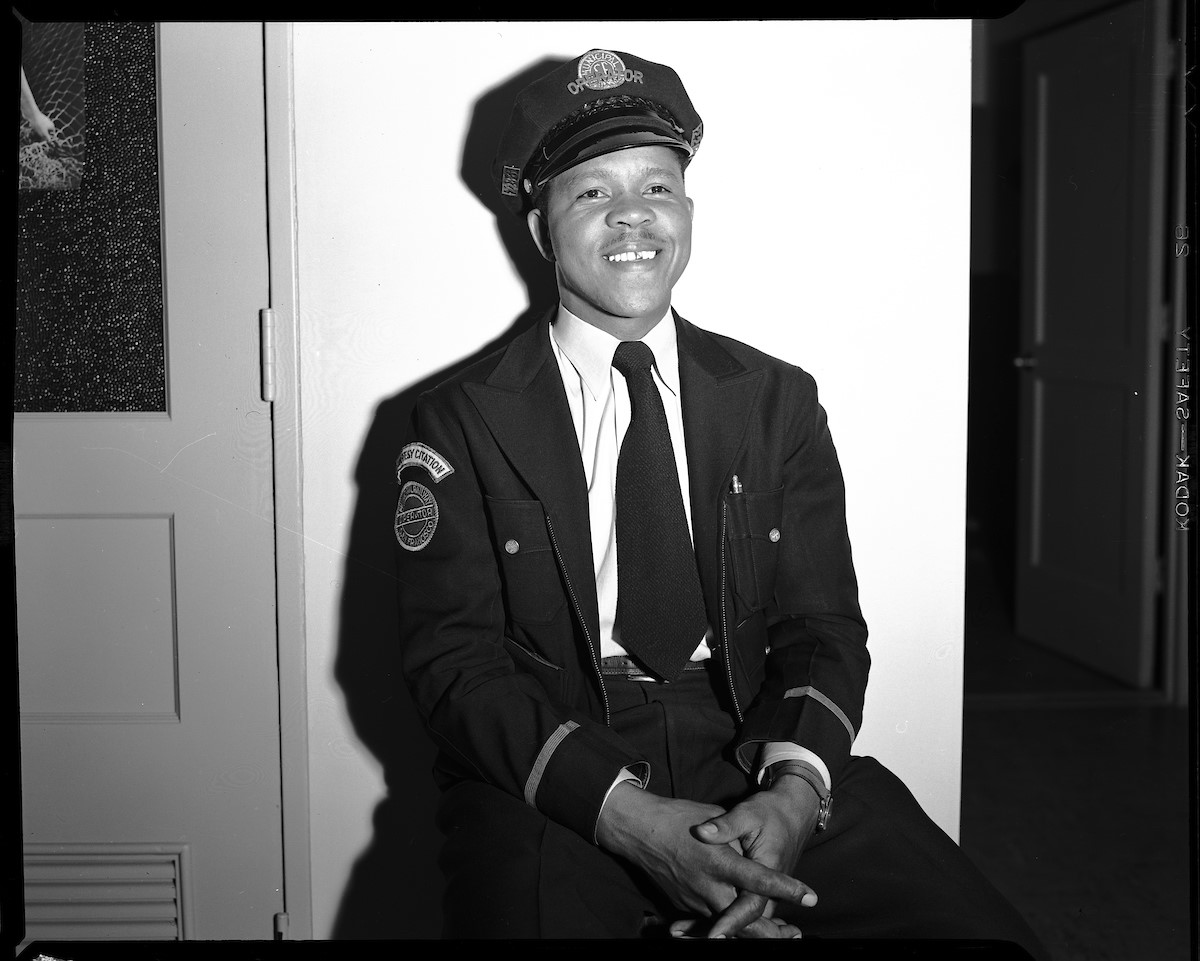
Gene Henderson, photographed in March 1951 for the Muni "Man of the Month" award.


Five years into his career at Muni, Henderson moved to Kirkland Division as a bus driver and was nominated by passenger commendations for the Muni "Man of the Month" award, a recognition given to operators demonstrating excellence in their work.

Moving Through the Ranks

Gene Henderson’s career was marked by a series of new assignments and promotional advancements within the organization. Moving from motorman to bus driver, line trainer, inspector, dispatcher and claims investigator before becoming superintendent, Henderson gained the skills and knowledge he needed to run a busy operating division first-hand.  He was appointed head of Kirkland Division in 1973.  In the June-July 1973 issue of Muni’s Trolley Topics newsletter, it was reported that on his first day in the position, he treated Kirkland operators to doughnuts and coffee along with a bit of advice from his years of experience.

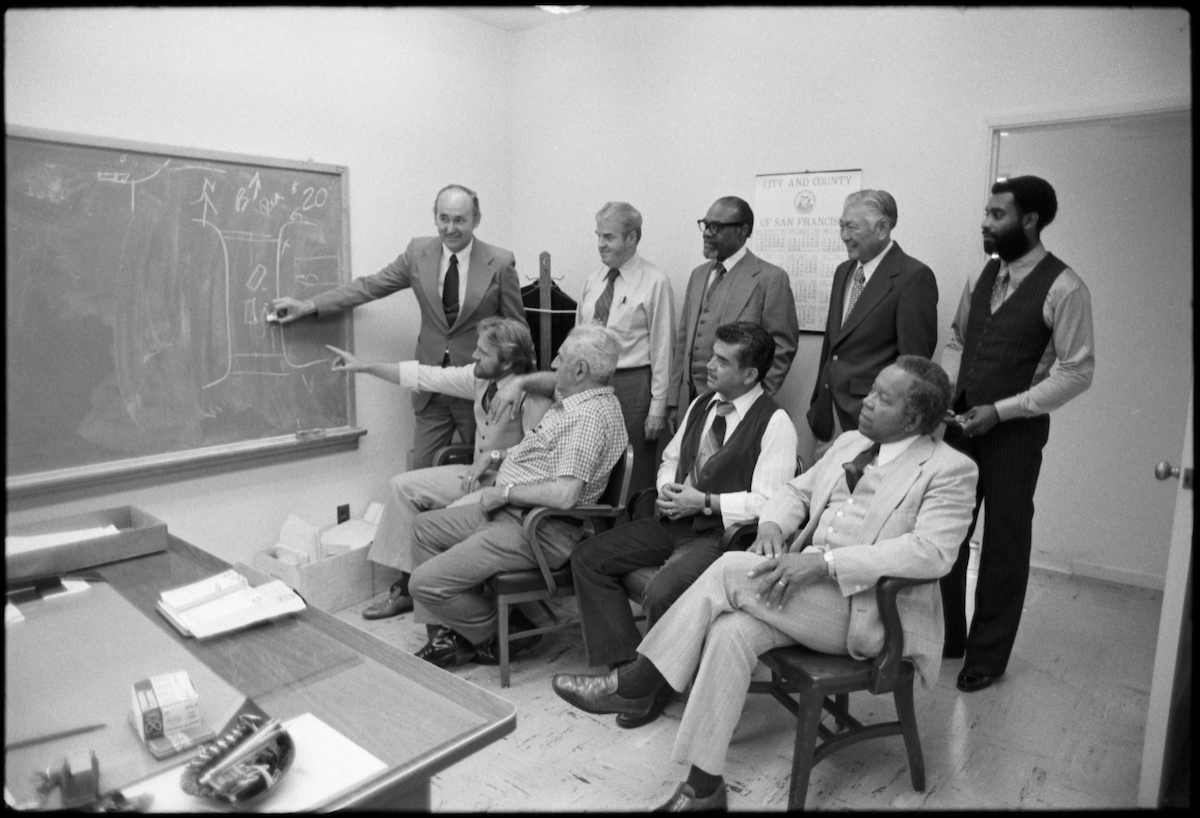
Gene Henderson (seated, fourth from the left) is pictured here with Muni's Claims Department staff in 1979, just one year before his retirement.

Gene Henderson (seated, fourth from the left) is pictured here with Muni's Claims Department staff in 1979, just one year before his retirement.

Late Career and Retirement

After three years as head of Kirkland, Henderson was on the move again, transferring to Assistant Claims Agent in 1976. Shortly thereafter, he became Safety and Training Supervisor in 1977, overseeing operator training and safety programs. In 1980, Henderson retired from Muni after over 34 years of service.  In the Trolley Topics newsletter article from the time, Henderson noted, "I've given it my best shot."  An understatement for a man who began as a streetcar operator and ended up as an important contributor to Muni's operations management.  Henderson passed away in 1999 at the age of 83.

For more stories of Muni’s unsung heroes and others who helped break down barriers in San Francisco transit, check out this article from Muni preservation partner, Market Street Railway and our past blog on the topic.


Published February 24, 2021 at 10:07PM
https://ift.tt/3spubCg

Tuesday, February 23, 2021

Youth Voices for Vision Zero SF

Youth Voices for Vision Zero SF
By Christine Osorio

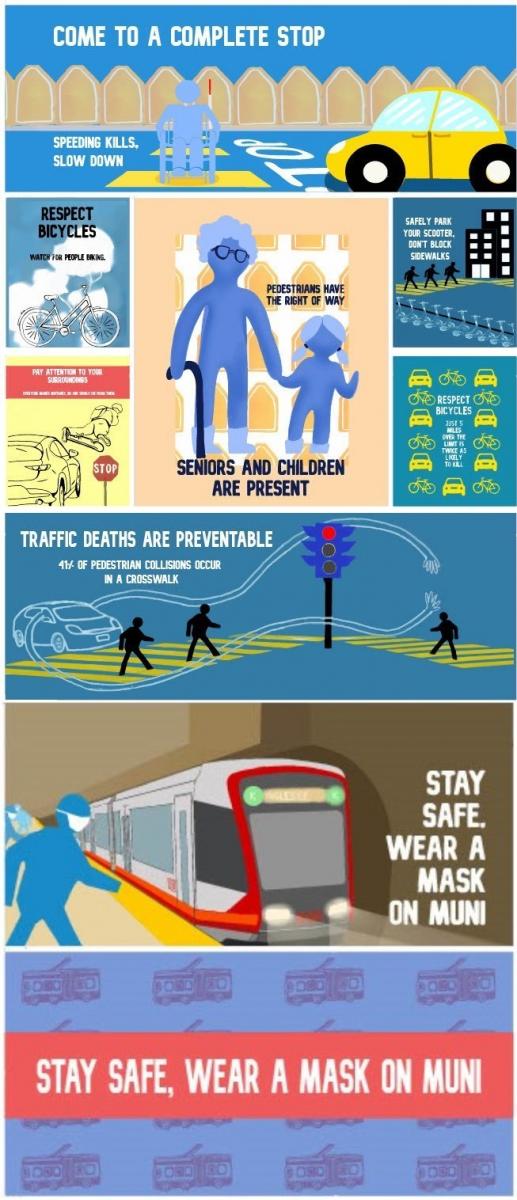
Starting in the month of February, Muni buses and transit shelters will feature youth artwork illustrating Vision Zero traffic safety messages. The students are part of Youth Art Exchange (YAX), an arts-education non-profit based whose mission is to support San Francisco’s public high school students in becoming leaders, thinkers, and artists by sharing creative practices with professional artists. As part of Supervisor Norman Yee’s District 7 participatory budget process, YAX students consulted with SFMTA staff to develop traffic safety messages and artwork that reflect their experiences around traffic safety.

Themes highlighted through Youth Voices for Vision Zero SF include general traffic safety such as:

  • Yielding to pedestrians in the crosswalk.
  • Slowing down.
  • Understanding that traffic deaths are preventable.
  • Watching for people biking.
  • Not blocking the sidewalk with a scooter.

The student artwork also included Covid-specific safety messaging to wear a mask while riding Muni.

Using street signs as inspiration, the students worked with mediums including hand-carved block prints, cyanotype (a printing process that uses light to create a cyan blue color, while areas that do not receive light remain white), and digital illustrations to create the final compositions.

YAX focuses on serving youth of color and low-income youth, and is rooted in the Excelsior neighborhood, which has a high concentration of high schools and the largest population of teenagers in the city. Because [x]space (Youth Art Exchange’s public arts hub) is within walking distance of high schools, and many of the students walk, bike and take Muni to [x]space to attend after-school programs, the students are uniquely positioned to speak about their experiences and insights regarding walking and biking.

Given the limitations of after-school program closures due to Covid-19, Youth Art Exchange closed its in-person activities and pivoted to digital programming in 2020. Youth artists worked remotely and collaboratively, meeting weekly to develop and design this body of artwork around the theme of traffic safety.

Spot these Youth Voices? Post a photo and tag @youthartx, @VisionZeroSF, #YouthVoicesforVisionZero

Artwork by youth with safety messages

Artwork by:

Jodi, Abraham Lincoln High School

Hannah MacDonald, Lowell High School

Casey Tang, Abraham Lincoln High School


Published February 24, 2021 at 02:50AM
https://ift.tt/3smXIwA

Friday, February 19, 2021

Free Muni and Paratransit to COVID-19 Vaccine Appointments

Free Muni and Paratransit to COVID-19 Vaccine Appointments
By Phillip Pierce

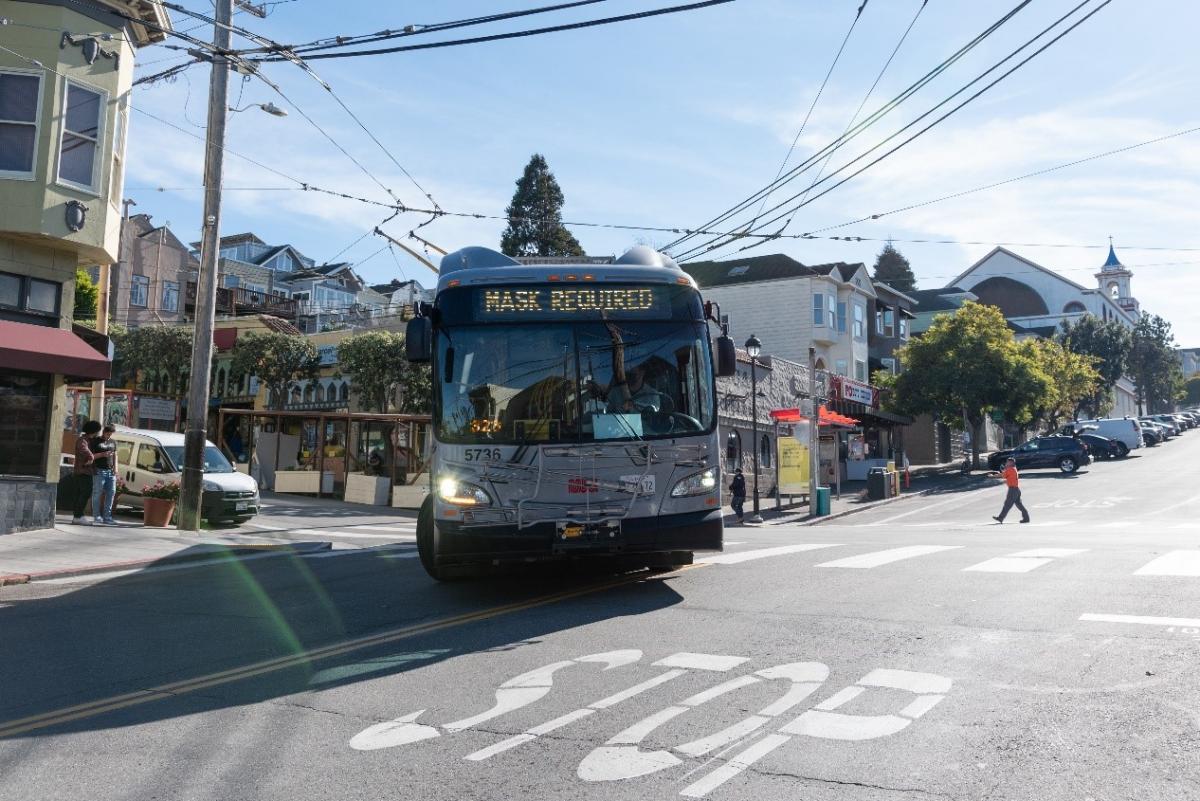
image of bus with headway sign stating "masks required"

Free Muni and Paratransit to COVID-19 Vaccine Appointments

Starting on Tuesday, February 23, Muni and Paratransit will be free for those traveling to get vaccinated for COVID-19. This includes trips in both directions. The SFMTA is also providing additional access to taxi service for those who use the Essential Trip Card.

These rides are good for trips to the city-sponsored high-volume vaccine sites, hospitals or anywhere else that is offering vaccines. More information on the city-sponsored sites as well as directions on how to get there can be found on the city vaccination website.

We know that getting San Franciscans vaccinated is the city’s highest priority. This program is designed to eliminate transportation and cost barriers to receiving this life-changing vaccine.

How to Ride on Muni

Use our trip planner or service map to find the best way to get to your vaccination destination. Simply catch the bus and head to where you need to go. Please have your vaccine appointment confirmation or instructions ready in case SFMTA staff asks to see your proof of payment.

Paratransit

Paratransit rides on SF Access van service to and from vaccination appointments will be free for eligible participants. Paratransit van riders must call to make a trip reservation and indicate that they are going to get their COVID-19 vaccine. Staff will make a note in their records to alert the driver that the rider does not need to pay a fare for their trip.

Paratransit taxi riders will have $60 loaded onto their taxi debit card, which will be valid for up to six months, to get to and from their vaccine appointment. Funds should be available starting next week. If you are a paratransit taxi rider and have a question about the value on your card or want to confirm if the additional value has been added, you may call 415.351.7000 or check your card’s transaction history on the SF Paratransit Taxi online portal

More information can be found on the SFMTA Paratransit website.

Essential Trip Card

The Essential Trip Card (ETC) already subsidizes about two to three round trips by taxi per month for older adults (persons 65 and older) and people with disabilities. Eligible participants pay 20% of the taxi fare for essential taxi trips. To pay, each rider is issued an ETC debit card, which they can load with value every month.  If ETC participants think that the cost of their trips to vaccine appointments will require more funds than they can currently load each month, they can add $60 of additional funds, at the cost of $12 to the rider, one time only. Existing ETC customers can add this new value on-line, by phone or by mail, same as usual. New applicants can sign-up by calling 311.


Published February 20, 2021 at 12:10AM
https://ift.tt/3sdPCWL

Thursday, February 18, 2021

Virtual Parade and New Central Subway Art Ring in Lunar New Year

Virtual Parade and New Central Subway Art Ring in Lunar New Year
By Sophia Scherr

We are entering the year of the Ox, typically symbolizing hard work, positivity, and honesty. This year the SFMTA will continue the tradition of celebration with the virtual San Francisco Chinese New Year Parade  on February 20th at 6 pm on KTVU.

Celebrating Lunar New Year and the San Francisco Chinese community has been a long-standing tradition for many of us. In 1849, San Francisco’s population swelled to 50,000 and many of the new residents were Chinese immigrants, coming to work in gold mines or on railroad lines. By the 1860’s, the Chinese were eager to share their culture with others and the annual tradition of parade and pageantry was born. A variety of other cultural groups throughout the city were invited to participate, and they marched down what today are Grant Avenue and Kearny Street with colorful flags, banners, lanterns, and drums and firecrackers to drive away evil spirits. The city’s Chinese New Year Parade is one of the largest celebrations of its kind in the world, attracting over three million spectators and television viewers throughout the U.S., Canada and Asia.

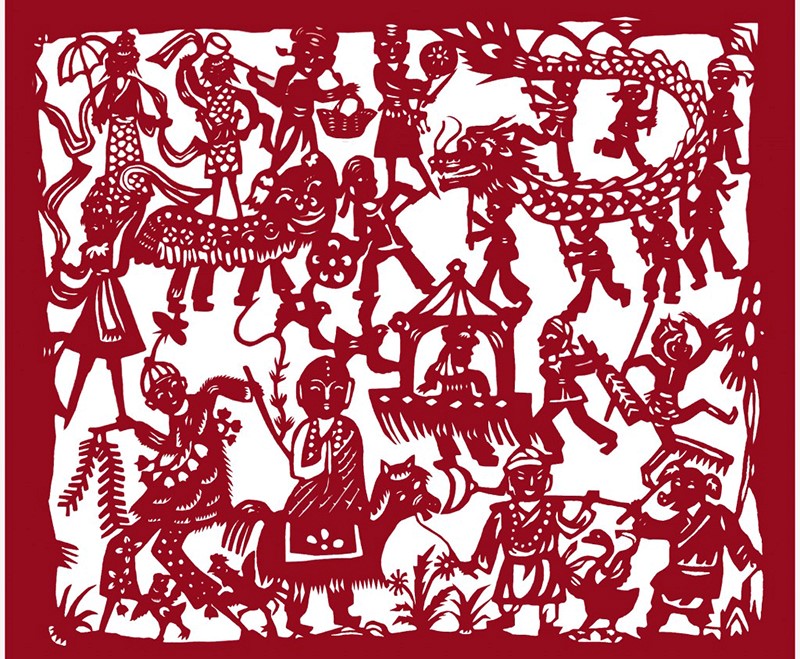
In line with what the year of the Ox signifies, we also look forward to seeing our work come to fruition when the Central Subway Project's Chinatown - Rose Pak station opens in 2022. As part of this milestone, the SFMTA in partnership with SFAC’s Public Art Program, the Chinese Culture Center, Chinatown Community Development Center, and the Chinese Historical Society have envisioned a vibrant art program for Chinatown’s station. Three significant prominent artworks by artists Tomie Arai, Yumie Hou and Clare Rojas are being installed, infusing the quintessential Chinatown spirit into their works, connecting the past, present and future. These artworks also serve as wayfinding – from marking the entrance to the station, to signaling to riders their arrival at Chinatown with placement of prominent works on the platform walls.

image of Chinese "paper cut" art

Traditional Chinese paper cut artist Yumei Hou developed large murals that will adorn the station

Ongoing community involvement is an essential to ensuring that Chinatown residents had a role in the artwork design process. The Chinese Cultural Center helped convene community meetings so that the artists would be able to meet residents and receive feedback on their proposed designs. Through this support, artists and community members were able to collaborate on the design of the installations. Artist Tomie Arai was able to work with local photographer Bob Hsiang to photograph students from Gordon J. Lau Elementary School who were then featured in her work.

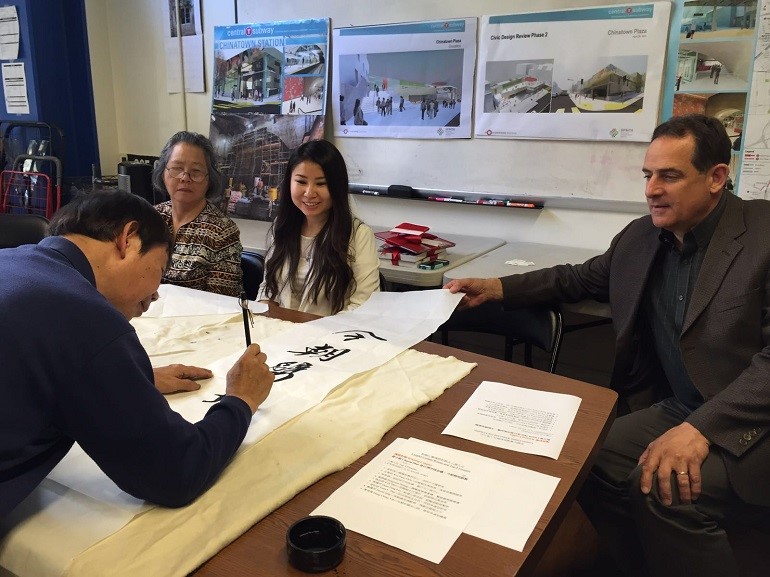
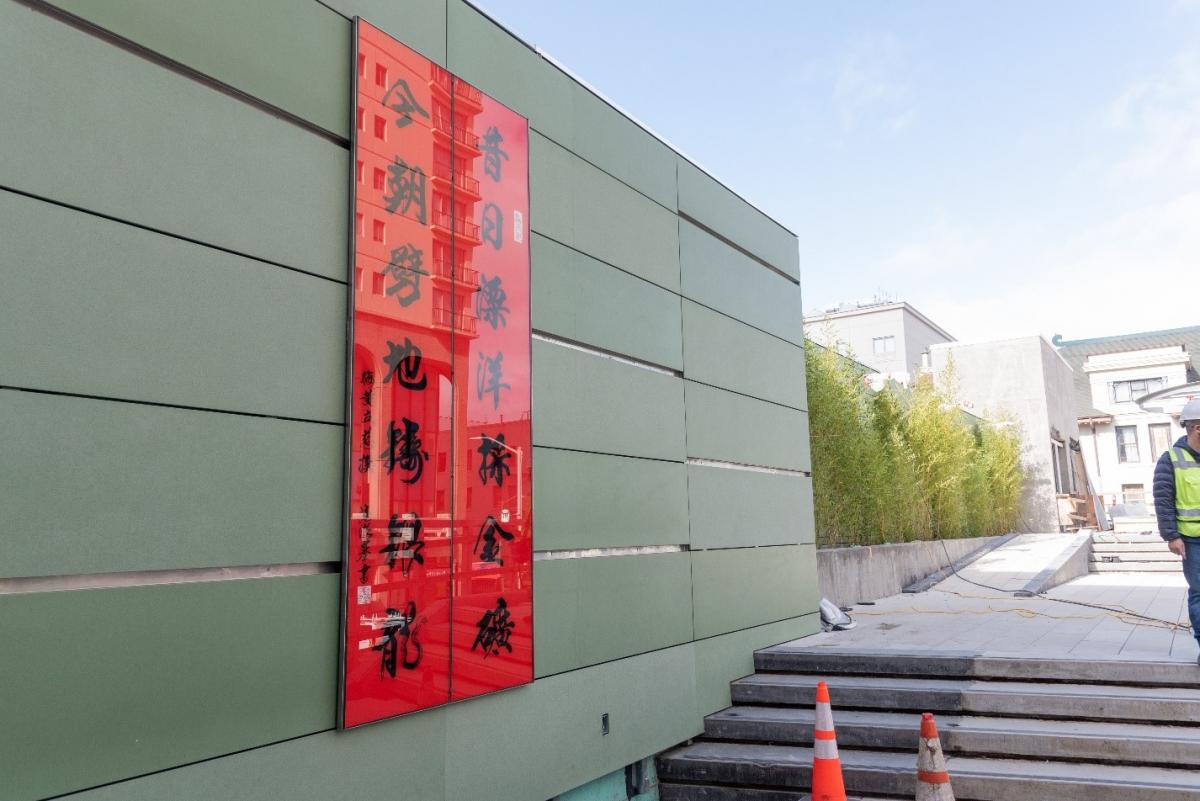
Central Subway Project outreach staff and their partners at the Chinatown Community Development Center wanted to ensure that all aspects of Chinese culture and art were represented in the art program that will adorn the entryway of the stations roof-top plaza. The center conducted a couplet contest that garnered 120 couplet entries from local, national and international poets. San Francisco poet, Carin Mui was selected, her couplet, a form of Chinese poetry with two lines of verse that have a joined meaning and follow a list of exacting rules reads “In the past, we traveled across the Pacific to mine for gold; Now, we break through earth to form a silver dragon.”

Artist Terry Luk paints the winning couplet for the Chinatown Central Subway Station, as composer Carin Mui, former Chinatown Community Development Center staffer Jerri Diep and former Central Subway Program Manager John Funghi look on.

Artist Terry Luk paints the winning couplet for the Chinatown Central Subway Station, as composer Carin Mui, former Chinatown Community Development Center staffer Jerri Diep and former Central Subway Program Manager John Funghi look on.

 The winning couplet was recently installed in the public plaza above the Chinatown – Rose Pak Station

The winning couplet was recently installed in the public plaza above the Chinatown – Rose Pak Station

Public art in our stations is important not only for its aesthetic or beauty, but helps draw out the identity of a space, aids in the understanding of the historic or cultural significance of a neighborhood and builds a connection between visitor and the surrounding community. It’s an important reminder of the power of art to address the complexity and diversity of neighborhoods and to maintain cultural identity in the face of rapid urban transformation.


Published February 19, 2021 at 05:24AM
https://ift.tt/37pAePq

Wednesday, February 17, 2021

More Muni Metro Rail to Return in May

More Muni Metro Rail to Return in May
By Mariana Maguire

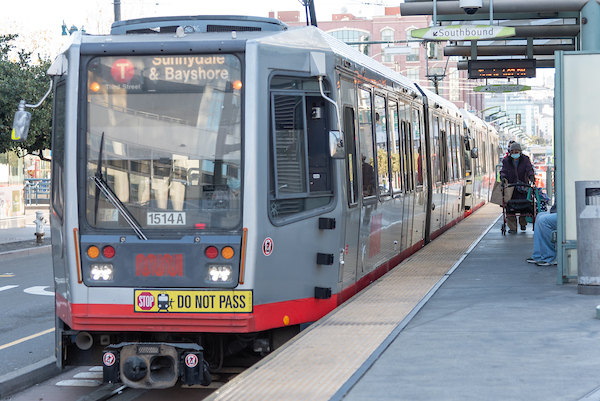
By May, the SFMTA plans to restart more Muni Metro rail service, extending the T Third Metro rail route between Sunnydale and West Portal, and bringing the full N Judah Metro rail route back into service between 4th and King (CalTrain) and La Playa (Ocean Beach).

T Third train at the ball park

Adding Metro rail service means we can connect more customers to essential jobs and locations along these routes and make it easier for customers to travel through downtown along Market Street.

Since August 2020, Muni has been undertaking intensive subway repairs after discovering some potentially faulty overhead splices and issues with ballast in the Eureka Curve/Twin Peaks Tunnel. We are now moving closer to completing the essential repairs and upgrades which will allow us to reopen subway service. Our work crews have removed all of the splices that had been potentially defective and replaced them with splices from a new manufacturer. We’ve also finished construction of the ballast in the Eureka Curve and have begun extensive testing and certification of the subway to ensure that everything works properly, reliably and safely. In the meantime, we’re also continuing important regular maintenance work to make as many improvements as possible while the subway is temporarily closed.

The return of the N Judah Metro rail will also free up buses that we will put to use on existing bus routes so that we can circulate other vehicles out for critical maintenance. In the effort to bring back as much bus service as possible and run buses more frequently, we have been pushing our vehicles to the limits with little or no time for maintenance. The additional buses released from N Judah service will allow us to maintain existing bus service while also keeping our fleet in good working order.

The SFMTA continues to work closely with district supervisors, stakeholders and community members to bring back additional service and modify existing service to better balance our available resources with our customers’ needs. This is especially a priority for communities most dependent on transit and who have the fewest alternative transportation options for essential travel.

We will continue to provide updates with more details and a complete list of service changes as information is available.


Published February 18, 2021 at 02:03AM
https://ift.tt/3bjrVFI

Tuesday, February 16, 2021

Mask Up - It's the Law!

Mask Up - It's the Law!
By Kristen Holland

You may hear a new announcement on our vehicles or see new messages about masks being required by federal law. The spread of COVID-19 has led the federal government to enact a mask requirement for all public transportation conveyances. Here in San Francisco, that law means wearing a mask in Muni stations, when purchasing a ticket and while waiting for, boarding, riding or exiting transit. Failure to wear a mask can result in denial of boarding, removal from Muni and may carry federal penalties.

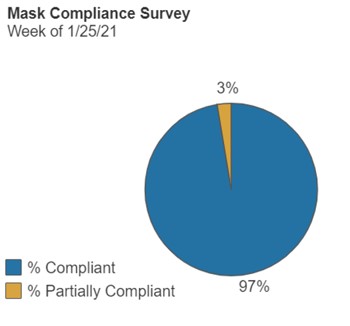
Muni customers are doing great when it comes to mask compliance, which consistently exceeds 95% (see chart). You get it. Wearing masks, physically distancing and riding Muni for only essential trips remain crucial to reducing the spread of COVID-19.

Chart showing 97 percent mask compliance and 3 percent partial compliance for the week of 1/25/2021

The SFMTA mask survey for the final week of January 2021 reported 97% compliance

And every week, our operators, fare inspectors and ambassadors hand out thousands of masks to those who don’t have one. Thank you for protecting our employees and each other.

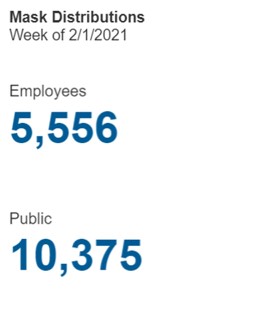
The SFMTA distributed 5,556 masks to employees and 10,375 masks to the public during the first week of February 2021

During the first week of February 2021, the SFMTA distributed nearly 16,000 masks

Here’s more on the new law:

The federal mask requirement went into effect earlier this month and will continue until May 2021.

As a reminder, a properly worn mask:

  • Completely covers the nose and mouth of the wearer
  • Is secured to the head, including with ties or ear loops
  • Fits snugly against the side of the face.

Face shields do not fulfill the requirements of the law. Instead, masks should be a solid piece of material without slits, exhalation valves, or punctures. Face coverings like scarves and bandanas do not meet this requirement. Visit the CDC website for tips on improving your mask to protect yourself and others.

Like other mask requirements, the law allows for some exemptions and exceptions. For example, the temporary removal of a mask is allowed in order to:

  • Take oral medications for brief periods.
  • Communicate with a person who is deaf or hard of hearing, when the ability to see the mouth is essential for communication.

The specifics of the federal law are outlined in the Transportation Security Administration Security Directive.

All state and local public health orders remain in effect.  For more information, visit SFMTA.com/COVID or call 311 within San Francisco or 415-701-4311. Free language assistance available.


Published February 16, 2021 at 10:54PM
https://ift.tt/37nngSe

Photo Exhibit Event: Vintage Bus Display and Tour

Photo Exhibit Event: Vintage Bus Display and Tour By Jeremy Menzies Join us Saturday, Jan. 27 at a special event for our exhibit, " 1...